Hotel Group Bookings: How to Attract and Win Corporate and Event Business
Group bookings can transform your occupancy — but they require a completely different approach to leisure bookings. This guide covers how to position your property, price group rates, write proposals, and proactively find group business.
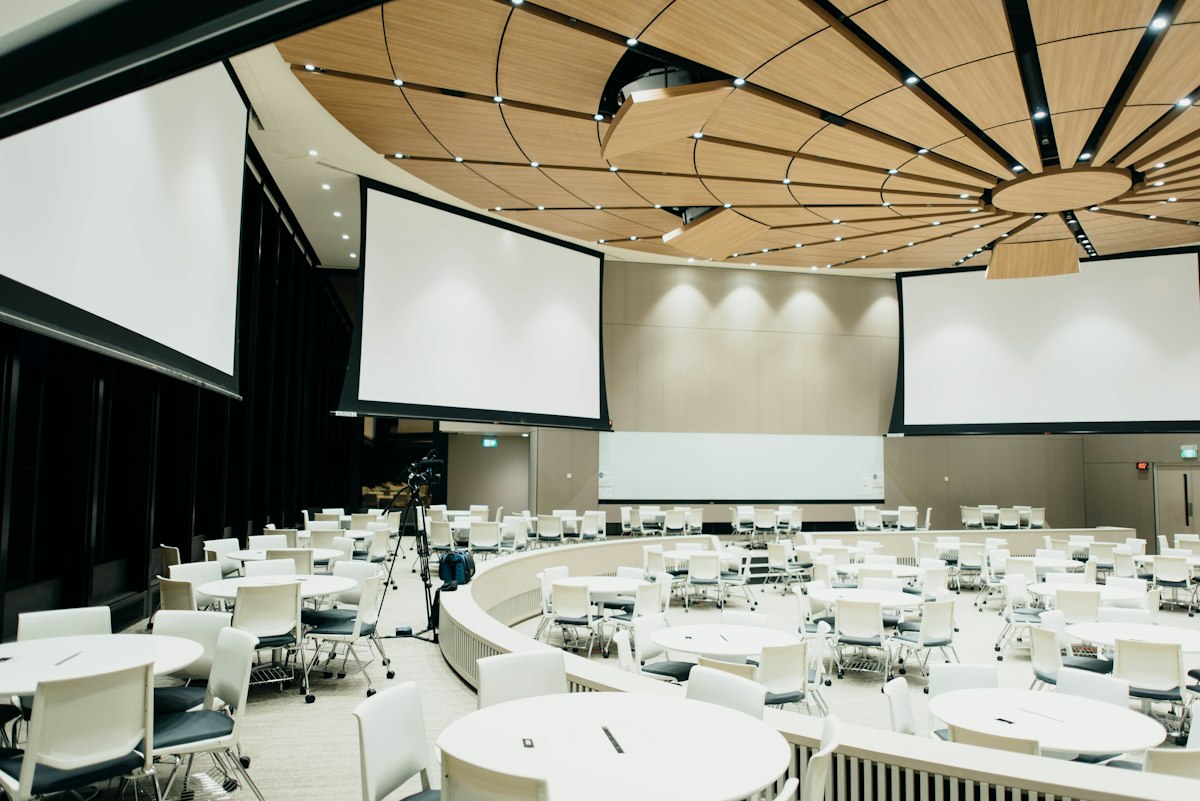
Photo by Kane Reinholdtsen on Unsplash
A single enquiry lands in your inbox. Twelve rooms, three nights, dinner included, corporate rate. If you get it right, that's one booking that fills your hotel for a week and generates more revenue than two weeks of steady leisure bookings. If you get it wrong — or never attract group enquiries in the first place — you leave that opportunity entirely to your competitors.
Group bookings are one of the most underexploited opportunities for independent hotels. The sales process is different, the pricing is different, and the risks are different — but so are the rewards. Done well, groups don't just fill rooms. They fill quiet midweek nights, generate guaranteed food and beverage revenue, and create relationships with organisations that book repeatedly.
Here's how to approach them properly.
Types of Group Bookings (They're Not All the Same)
Understanding what type of group business you're pursuing matters because each has different needs, different lead times, and different decision-making processes.
Corporate and business groups: Companies accommodating off-site teams, client visits, candidate interviews, or long-term project staff. These tend to be midweek, repeat, and lower-maintenance than event groups. The decision-maker is usually an office manager, EA, or procurement team.
Conferences and meetings: Full-day or multi-day events with meeting space, AV equipment, catering, and overnight accommodation. These require meeting room facilities and can be highly lucrative — but they're also complex to deliver.
Weddings: High-value, emotionally charged, and often the highest revenue per booking you'll see. Weddings require careful contract terms, excellent communication, and the ability to handle a group that has never planned an event before.
Events, tours, and special occasions: Sports teams, walking tour groups, school trips, birthday groups. These are more variable in quality and profitability — some are excellent clients, others are high-hassle for low return.
Travel trade groups: Tour operators or travel agents booking blocks of rooms on behalf of their clients. These involve contracted rates, release dates, and different commission structures.
Most independent properties should focus on corporate and business groups first — they're the most repeatable, the least emotionally complex, and often the best match for properties without full conference facilities.
Why Group Bookings Are Strategically Valuable
The obvious benefit is volume: one booking fills multiple rooms simultaneously. But the strategic value goes beyond that:
They solve the midweek problem. Most leisure-focused properties struggle to fill Monday to Thursday. Corporate and business groups almost always travel midweek. A regular corporate account can transform your occupancy profile entirely.
They generate ancillary revenue. Groups who eat together, drink together, and need transport, meeting space, or activities generate far more total revenue than the room rate suggests. A 10-room corporate group spending £50 per head per day on food and drink adds £500+ daily to your top line.
They reduce distribution costs. A group booking negotiated directly has no OTA commission. Even if you offer a negotiated rate below your public rate, the zero-commission nature of a direct relationship often makes it more profitable.
They create loyalty at an organisational level. A company that uses you for one off-site will often return for others. An EA who has a good experience will recommend you to peers at other firms. Corporate loyalty compounds in ways leisure loyalty doesn't.
How to Position Your Property for Group Business
Before you go looking for group business, your property needs to be group-ready. That means a few things:
Room block capacity. Groups want to stay together. If you have 10 rooms but a group needs 12, they'll go somewhere else. Know your actual group capacity (usually 70-80% of total rooms, keeping some back for other bookings) and be clear about it in your marketing.
Group-friendly amenities. Meeting space (even a large dining room can work), reliable Wi-Fi, breakout areas, and flexible check-in/out for groups. You don't need a full conference centre, but you need somewhere they can gather.
A group enquiry process. When a PA or event planner contacts you, the response speed and professionalism of your reply will significantly influence whether you win the booking. A generic auto-reply followed by a two-day wait is often enough to lose it. Aim to respond to all group enquiries within four hours with at least a preliminary availability check.
Clear group policies. What's your minimum room block? What's your deposit structure? What's your attrition clause (the minimum percentage of reserved rooms the group must actually use)? Having these answers ready — before the enquiry arrives — signals that you understand group business.
Pricing Group Bookings
Group pricing is a negotiation, not a tariff. There are no fixed rules, but here are the principles that apply:
Start from your costs, not your public rate. Know what it costs you to service a group: rooms, housekeeping, breakfast, any included catering, administration time. Your group rate needs to cover these costs with margin. A deeply discounted group rate that doesn't leave enough margin for the inevitable extras is a mistake you'll feel throughout the stay.
Discount in exchange for something. A group rate below your public tariff should come with commitments: minimum room nights, dinner in your restaurant, guaranteed F&B spend, advance deposit. Don't give away margin for nothing in return.
Negotiate on total value, not just room rate. A group willing to commit to breakfast, dinner, and meeting room hire at a slightly lower room rate can generate far more total revenue than a group that takes the same room rate and eats elsewhere. Look at the whole booking value.
Consider minimum stay requirements. For events and weddings, a two or three-night minimum prevents the worst pattern: a group that fills all your rooms for one night, blocks you from taking other bookings, and then leaves you empty the following night.
Build in attrition protection. Groups often reserve more rooms than they ultimately use. An attrition clause (for example, the group must pay for at least 85% of reserved rooms, regardless of actual use) protects your revenue from last-minute contractions. This is standard in the industry — any experienced group booker will expect it.
Warning
Be careful with corporate rate agreements that lock you into a fixed rate for 12 months without review. Committing to a corporate rate during your shoulder season is reasonable; being locked into the same rate during your peak weeks can significantly suppress your revenue. Build in rate exclusion dates or a review clause.
Writing a Group Rate Proposal
Most independent hotels either don't send formal proposals (they just quote a rate by email) or send a confusing mess of rate sheets and policies. Neither wins business.
A strong group proposal covers:
What's included: Accommodation, breakfast, dinner, meeting space, parking, Wi-Fi — listed clearly. Don't make the buyer calculate what's included vs what costs extra.
Rate structure: Room rate per night per room, any included meals clearly priced, and any optional extras with costs. Be transparent.
Deposit and payment terms: Standard for most UK independent hotels is 25% deposit on confirmation, balance 4-6 weeks before arrival. Whatever you use, state it clearly.
Cancellation terms: These should differ from your leisure policy. A group cancellation 30 days before arrival is a far bigger commercial event than a single room cancellation. Your group cancellation policy should reflect that risk — typically a sliding scale where cancellations closer to arrival forfeit a higher proportion of the deposit or total value.
Response deadline: Proposals with no expiry date float indefinitely. Add a line: "This proposal is valid until [date two weeks away]." It creates appropriate urgency and protects you from quoting a rate that becomes unworkable if your availability changes.
Your property's differentiators: Why should they choose you? What makes the experience better than the anonymous chain hotel down the road? Keep this brief but specific — two or three genuine points, not marketing language.
Finding Group Business Proactively
Most independent properties wait for group enquiries to arrive through their website or OTAs. The best independent hotels also go looking for group business.
Corporate outreach to local businesses: Make a list of 20-30 businesses within reasonable commuting distance of your property — companies large enough to occasionally need overnight accommodation for clients, candidates, or staff. Call or email the relevant contact (office manager, EA, head of HR) with a specific proposition: "We'd like to offer [Company Name] a preferred rate for business accommodation. Can I send you our corporate rate card?"
Don't oversell. Keep the initial contact brief. The goal is to get on their radar and their preferred supplier list — not to close a booking immediately.
Event venues and wedding suppliers: Introduce yourself to local wedding venues, florists, photographers, and planners. These people talk to couples who need accommodation for their wedding parties constantly. A reciprocal referral relationship costs nothing and generates warm enquiries.
Conference organisers and professional associations: Industry associations, professional bodies, and conference organisers book accommodation blocks for annual events. They're often searching for properties that can handle groups, value relationship over lowest price, and are easy to deal with. Getting on their preferred list requires introduction, often via a LinkedIn connection or a direct approach, but the repeat booking potential is significant.
Your own past guests: The corporate guest who stayed individually last year might be the same person who's now organising a team off-site. Your hotel email list is an underused tool for group business — a brief, occasional mention that you accommodate groups ("We host regular corporate events and team off-sites — if that's ever useful for your business, we'd love to hear from you") can surface demand you'd otherwise never have known existed.
What Size Properties Can Realistically Handle Groups
This is worth being honest about.
A 6-room property can absolutely take small corporate groups (4-5 rooms) but will find wedding and conference business logistically challenging. Staff capacity, breakfast service, and facilities all have limits.
A 15-20 room property is well-suited to midsize corporate groups, team off-sites, and small weddings. Full-scale conference business requires meeting space and AV infrastructure that most properties in this range don't have.
If you're regularly getting group enquiries that exceed your capacity, the honest answer is to refer them to appropriate properties and ask for reciprocal referrals when they're over-capacity at your size. Building a network of non-competing hotels creates mutual goodwill and, over time, genuine referral revenue.
Taking on groups your property can't properly service is the fastest route to poor group reviews, refund demands, and the loss of a potentially repeat relationship.
This blog is written by the team at Vidpops — we help hospitality businesses collect branded video testimonials from their guests. Try it free here.
Related Articles

Hotel Loyalty Programs: How to Build One That Actually Brings Guests Back
You don't need a points system or an app to run a hotel loyalty program. Here's what actually makes guests come back — and how to build a simple repeat-booking system without enterprise software.

Hotel Metasearch: How to Use Google, TripAdvisor, and Trivago to Get More Bookings
Most independent hoteliers have heard of metasearch but don't understand how it works. Here's the honest truth about whether it's worth it for your property.

Vacation Rental Marketing: How to Stand Out When Every Listing Looks the Same
Most vacation rental marketing is identical — nice photos, generic copy, hope for bookings. Here's how to build a brand that drives direct bookings instead of drowning in OTA fees.