Hotel Guest Feedback: How to Collect It, Read It, and Actually Use It
Most hotels collect guest feedback but never act on it. Here's a practical guide to gathering useful responses, spotting patterns, and turning criticism into improvements that matter.
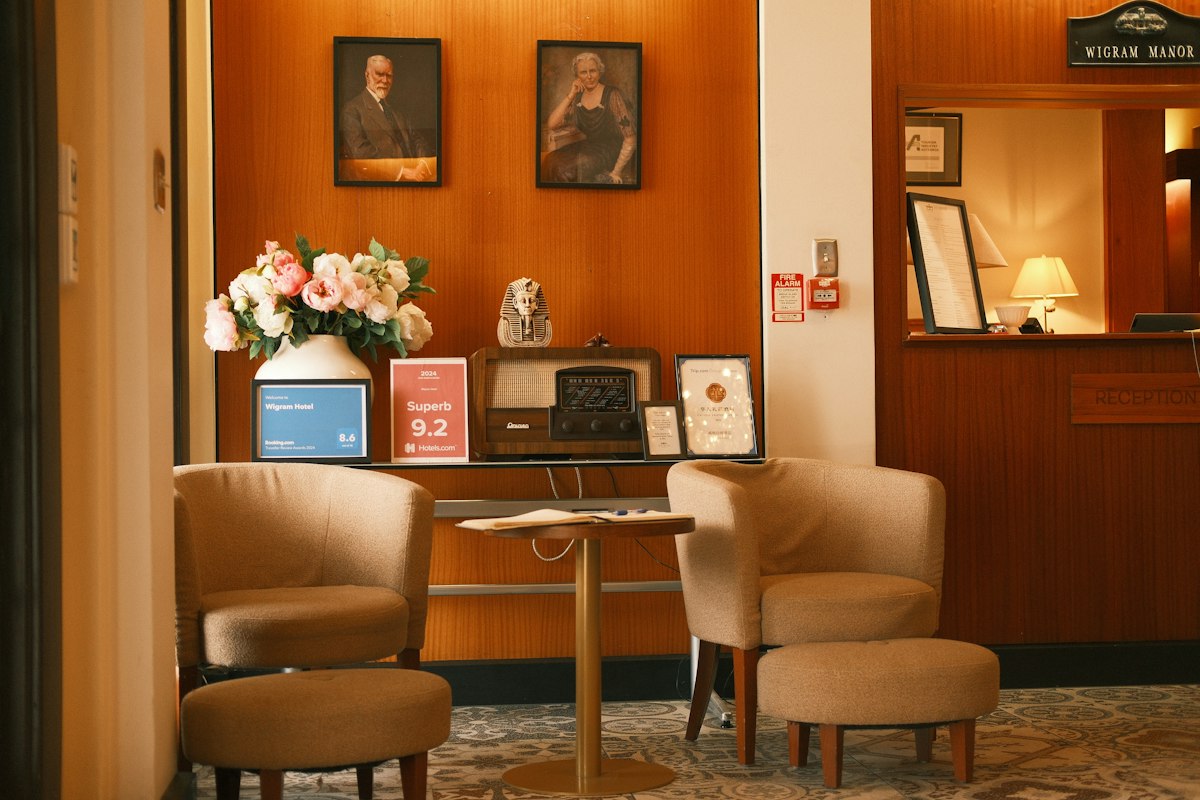
Photo by Hailey Hou on Unsplash
You send post-stay emails asking for feedback. A few guests respond. You read them, feel vaguely guilty about the broken shower in Room 7, and then... nothing changes. The same issues crop up in the next batch of reviews. Your team doesn't know what to prioritise. The hotel guest feedback you're collecting is sitting in an inbox somewhere, doing absolutely nothing.
Here's the uncomfortable truth: most properties collect feedback badly, read it worse, and act on it almost never. They treat it like a compliance exercise rather than what it actually is — the clearest signal you have about what's working and what isn't.
This guide shows you how to collect hotel guest feedback that's actually useful, how to spot patterns in what guests tell you, and how to turn criticism into tangible improvements without wasting time on noise.
Why Most Hotel Guest Feedback is Useless
The problem isn't that guests won't give feedback. It's that most hotels ask for it in ways that guarantee unhelpful answers.
You send a ten-question survey with a 1-5 star rating system. Guests either ignore it completely or rush through ticking boxes. You get scores but no context. A "3 out of 5" for cleanliness tells you precisely nothing about whether the issue is dust on the skirting boards or mould in the shower.
Or you ask "How was your stay?" and get replies like "Fine, thanks!" or "Lovely property." That's nice for your ego but useless for improvement.
The best hotel guest survey questions are specific, open-ended, and short. Three good questions beat fifteen generic ones every time.
How to Collect Feedback (Before Guests Leave Your Site)
Post-stay emails are fine, but they're passive. By the time a guest gets home and opens your survey, they've mentally moved on. You'll get responses from people who were either delighted or furious — the extremes. The middle 70% won't bother.
Better approach: ask whilst the experience is still fresh.
QR codes in rooms work surprisingly well. Put a small card on the desk or bedside table: "Spotted something we could improve? Scan here to tell us (takes 30 seconds)." Link it to a simple Google Form or Typeform with three questions. Guests who notice issues can report them immediately, and you can often fix problems before they check out.
Check-out conversations are gold if you train your team properly. Not "Did you enjoy your stay?" (to which the answer is always "Yes, lovely, thanks"). Try "What's one thing we could improve?" or "Was there anything that didn't quite work for you?" People are surprisingly honest when you give them permission to be.
Tip
Train reception staff to listen, not defend. When a guest mentions an issue at checkout, the correct response is "Thank you for telling us — I'll make sure we fix that" not "Oh, that's strange, no one else has mentioned it."
Mid-stay check-ins catch problems whilst there's still time to solve them. If you've got a two-night booking, a quick text or WhatsApp message on the morning of day two — "Everything comfortable? Let us know if you need anything" — often surfaces issues guests wouldn't bother mentioning otherwise.
This isn't about pestering people. It's about making feedback easy to give when the moment strikes.
Post-Stay Feedback That People Actually Complete
You're still going to send post-stay emails — they reach people who don't engage during their visit. But you need to make them completable in under two minutes.
Here's a template that works:
Subject line: "Quick question about your stay at [Hotel Name]"
Email body: "Thanks for staying with us. We'd love to know what we could improve.
Three quick questions (takes 60 seconds):
- What worked well during your stay?
- What didn't quite work?
- Would you recommend us to a friend? Why/why not?
[Link to form]
Cheers, [Your name]"
That's it. No corporate waffle about "your feedback matters to us." No ten-point rating scales. Just three open boxes and a submit button.
Send it 48 hours after checkout, not immediately. Guests need a day to decompress before they're willing to think about your property again.
Info
Incentivising feedback (discount on next stay, entry into a prize draw) increases response rates but often reduces quality. You get more replies but they're less honest. Use sparingly.
Guest Survey Questions That Get Useful Answers
The questions you ask determine the answers you get. Generic questions get generic answers. Specific questions get actionable ones.
Bad question: "How would you rate your experience?" Good question: "What's one thing that would have made your stay better?"
Bad question: "Please rate our breakfast from 1-5." Good question: "What would you add to our breakfast menu?"
Bad question: "Was your room clean?" Good question: "Did you notice anything in your room that needed attention?"
See the difference? Good questions assume there's room for improvement and invite constructive criticism. Bad questions prompt defensive, surface-level answers.
Some specific examples that work well:
- "If you were redesigning one part of the hotel, what would you change?"
- "What surprised you (good or bad) during your stay?"
- "What would make you more likely to book with us again?"
- "What almost stopped you booking in the first place?"
That last one is particularly valuable. Guests who nearly didn't book but came anyway can tell you exactly what friction exists in your messaging, pricing, or booking process.
Reading Feedback: Patterns vs Noise
You'll get some feedback that's pure noise. Someone complains the sea view wasn't close enough to the sea. Someone else wanted a gym when you're a three-room B&B. These aren't patterns — they're mismatched expectations.
Patterns emerge when three or four guests mention the same thing within a few weeks. That's your signal.
Keep a simple spreadsheet (or even a Google Doc) where you log every piece of feedback under categories: Rooms, Food, Service, Amenities, Booking Process, Location. When the same issue appears multiple times in one category, that's where you focus.
Example pattern: Four guests in March mention the mattress in Room 3 being uncomfortable. That's not noise — that's a mattress that needs replacing.
Example noise: One guest complains there's no 24-hour room service. Another says the complimentary toiletries aren't luxury brands. These are outlier expectations, not systemic issues.
The trick is not getting distracted by the loudest complaint. Volume matters more than volume (of text).
When Negative Feedback is a Gift
Some criticism hurts because it's true. A guest points out that your "recently refurbished" rooms still have 1990s curtains. Another mentions the WiFi drops out every ten minutes. Someone notes the coffee at breakfast tastes like dishwater.
This feels personal. You've worked hard. You care about your property. But this feedback is the most valuable you'll ever receive because it tells you exactly what's costing you repeat bookings.
Negative feedback is a gift when:
- Multiple guests mention the same issue
- It highlights something you can actually fix
- It reveals a gap between your marketing and reality
- It comes from your target demographic (not someone who was never the right fit)
Negative feedback is noise when:
- It's a one-off complaint that no one else mentions
- It's based on unrealistic expectations
- It contradicts positive patterns from everyone else
- The guest is complaining about things you explicitly communicate (e.g., no parking when your website clearly says no parking)
Turning Feedback Into Action (Without Paralysing Your Team)
You've collected feedback. You've spotted patterns. Now what?
Most hotels either do nothing or try to fix everything at once. Both approaches fail.
Monthly prioritisation meetings work well for small teams. Once a month, review the feedback you've received. Identify the top three issues that appeared most frequently. Assign one person to own each fix. Set a deadline. That's it.
You don't need project management software. You need clarity about who's doing what and by when.
Quick wins vs long-term fixes: Some issues take five minutes to solve (updating the WiFi password to something guests can actually type on their phone). Others require budget and planning (replacing all the mattresses). Do the quick wins immediately. Schedule the expensive ones for when cash flow allows.
Closing the loop: When you fix something based on feedback, tell people. Update your website. Mention it in your next post-stay email. Post about it on social media. "Thanks to guest feedback, we've upgraded our mattresses" isn't boasting — it's proof you listen.
Warning
Don't promise fixes you can't deliver. If guests are asking for a pool and you're a 15-room townhouse hotel, don't say "We're considering it." Say "Great suggestion, but it's not something we can accommodate in our building."
What to Do With Positive Feedback
Negative feedback tells you what to fix. Positive feedback tells you what to amplify.
When multiple guests mention the same positive thing — your breakfast, your helpful staff, your quiet location — that's a strength worth highlighting in your marketing. Put it on your homepage. Feature it in your booking confirmation emails. Share specific quotes (with permission) on social media.
Positive feedback also tells you which team members are exceptional. If three guests in a row mention Sarah at reception by name, that's someone worth recognising publicly and compensating accordingly.
And don't underestimate the power of responding directly to positive feedback. A quick "Thanks so much — I've passed this on to Sarah, she'll be delighted" makes guests feel heard and increases the chances they'll book again.
Feedback Methods Beyond Surveys
Surveys are useful but limited. Some guests won't complete forms but will happily share thoughts in other formats.
WhatsApp or text feedback works for younger demographics. Send a message 24 hours after checkout: "Hey [Name], just wondering — anything we could improve for next time?" People reply to texts more casually than formal surveys.
In-person feedback cards at breakfast or in the lobby catch people when they're relaxed. A small box with cards that say "Love something? Tell us. Hate something? Tell us" gets surprisingly honest responses.
Review platform monitoring isn't proactive feedback collection, but it's still feedback. Set up Google Alerts for your property name and check TripAdvisor, Google, and Booking.com weekly. Respond to everything — good and bad.
Video messages are increasingly popular with guests who prefer talking to typing, though they're time-consuming to review. They work best for boutique properties where you genuinely have capacity to watch personal messages from every guest. For larger properties, written feedback is more efficient.
The best approach combines methods. QR codes for mid-stay issues, quick post-stay surveys, and real-time conversations at checkout cover most bases.
Making Feedback Part of Your Culture (Not a Chore)
The difference between hotels that improve and hotels that stagnate is whether feedback feels like an obligation or an opportunity.
If your team sees guest surveys as "more admin," they won't engage. If they see feedback as the clearest path to making their jobs easier (fewer complaints, happier guests), they'll champion it.
Share feedback in team meetings — not just the complaints, but the compliments too. When housekeeping gets praised for immaculate rooms, read it aloud. When someone fixes a problem a guest mentioned, acknowledge it publicly.
Feedback isn't a separate task. It's how you get better at everything you already do.
This blog is written by the team at Vidpops — we build a simple tool that helps hospitality businesses collect branded video testimonials from their guests. If you're interested, you can try it free here.
Related Articles

Hotel Online Reputation Management: How to Protect and Grow Your Rating
Your review score is your most important marketing asset. This guide covers how to proactively generate reviews, monitor your reputation, respond without sounding robotic, and handle unfair reviews.

Upselling in Hotels: How to Earn More Per Guest Without Being Pushy
Practical upselling techniques for independent hotels. From pre-arrival emails to local partnerships, learn what actually works without annoying your guests.

Hotel Guest Complaints: What People Actually Complain About (and How to Fix It)
Analysis of real hotel guest complaints reveals the same issues everywhere: temperature, noise, cleanliness, WiFi, and parking. Here's what you can actually fix.