Hotel Sustainability: Practical Changes That Actually Save Money (Not Just PR)
Forget greenwashing. These hotel sustainability measures reduce your operating costs while improving guest satisfaction — with honest upfront cost breakdowns and ROI timelines.
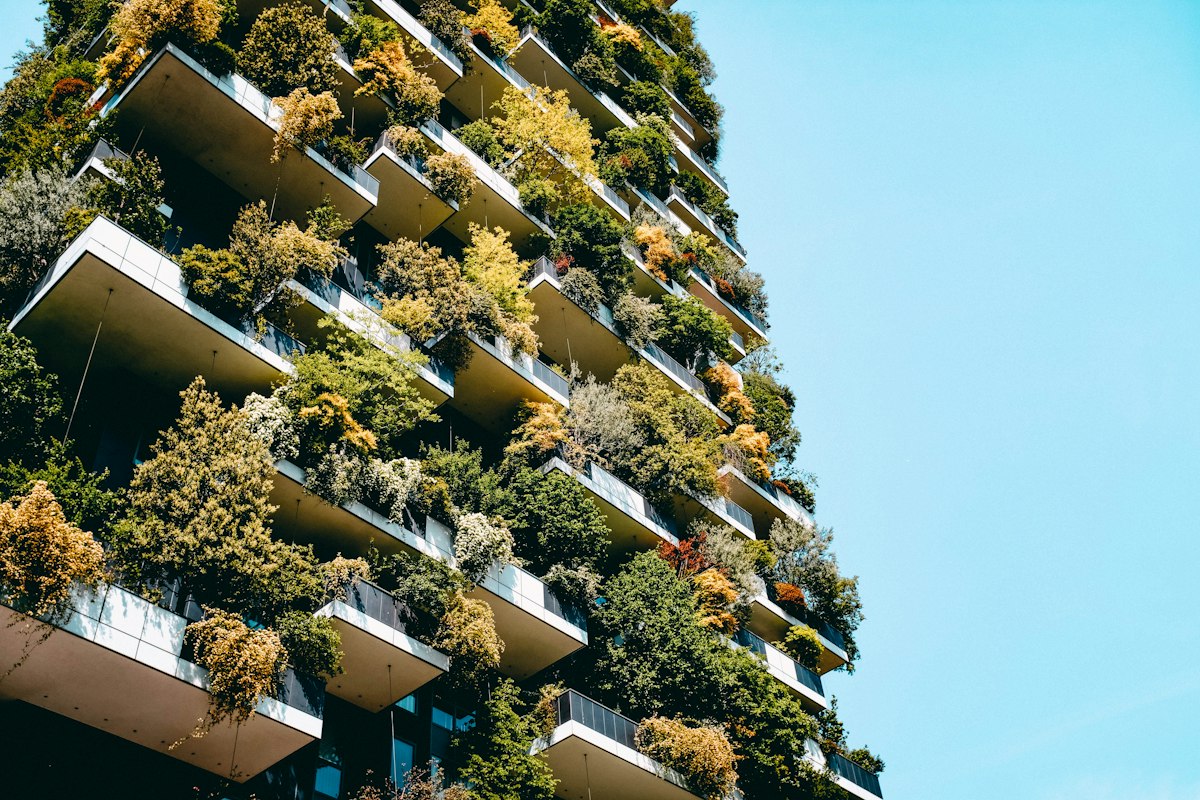
Photo by Zach Rowlandson on Unsplash
Your utility bills are climbing. Your linens are wearing out faster than they should. You're throwing away half-used toiletries every checkout, and your bins are overflowing with single-use packaging.
Meanwhile, every hotel down the road is trumpeting their "green credentials" with bamboo toothbrushes and a card asking guests to reuse towels. You're wondering if any of this actually matters — or if it's just expensive theatre.
Here's what most hotel sustainability advice won't tell you: the changes that genuinely reduce your environmental impact are often the same ones that cut your operating costs. Not immediately. Not without upfront investment. But over 12-24 months, the maths starts working in your favour.
This isn't about installing solar panels or achieving carbon neutrality. It's about practical changes that make your property cheaper to run whilst meeting the expectations of guests who increasingly filter by "eco-friendly" options.
The Business Case Nobody Talks About
Sustainable hospitality sounds like something you do because it's "the right thing." That's partly true. But it's also increasingly good business — for three specific reasons.
Lower operating costs. Energy, water, and waste disposal are among your biggest variable costs. Reduce consumption, and you reduce monthly outgoings. A 20% reduction in energy use (entirely achievable) can save a 20-room property £8,000-£12,000 annually. That's real money.
Guest preference is shifting. Booking.com's 2025 data shows 73% of UK travellers are more likely to choose accommodation with sustainable practices. More importantly, 42% will filter out properties that don't display eco-friendly credentials. You're not just appealing to environmentally conscious guests — you're avoiding being filtered out by everyone else.
Premium pricing justification. Properties with genuine green credentials (not just a towel reuse card) can command 8-15% higher rates in certain markets. Not because guests want to "pay for sustainability," but because these properties are perceived as better maintained, more thoughtful, and higher quality overall.
Info
The ROI timeline matters. Most sustainable upgrades pay for themselves within 18-36 months. Budget accordingly — this isn't about immediate savings, it's about long-term margin improvement.
Energy: Where Most Properties Leak Money
Your heating, cooling, and lighting costs are probably 40-60% of your total utilities. Small inefficiencies compound quickly across dozens of rooms operating year-round.
LED Lighting (The Obvious One That Actually Works)
Yes, everyone says this. It's still true. Replacing all bulbs with LED equivalents costs £500-£1,200 for a 20-room property and reduces lighting energy use by 75-80%.
Payback period: 12-18 months. After that, it's pure savings.
Go beyond guest rooms — don't forget corridors, car parks, back-of-house areas. These lights run 24/7 and are often still using ancient halogen bulbs burning through electricity.
Smart Thermostats and Sensors
Motion sensors that turn off heating/cooling when rooms are unoccupied sound futuristic. They're not. A basic system costs £80-£150 per room.
The savings are significant. Most properties heat/cool empty rooms for hours each day — either because checkout was early or because guests are out exploring. Sensors eliminate this waste entirely.
Expect energy bill reductions of 15-25% in climate-controlled rooms. For a property spending £15,000/year on heating and cooling, that's £2,250-£3,750 saved annually. The system pays for itself in under two years.
Tip
Start with a pilot. Install sensors in five rooms and monitor the results for three months. If the savings match projections (they usually do), roll out property-wide. If not, you've only spent £750 testing.
Window Films and Draught-Proofing (Unglamorous, Effective)
No guest will ever notice your window films. They'll absolutely notice if their room is freezing or sweltering.
Reflective window films reduce heat gain in summer by 60-70%, cutting air conditioning costs substantially. They cost £15-£30 per window for DIY application, less than £100 per room for professional installation.
Draught-proofing doors and windows costs even less — £20-£40 per room — and stops heated/cooled air escaping. These are Victorian-era solutions that still work perfectly well.
Combined, these two measures often deliver a 10-15% reduction in heating and cooling energy for period properties with original windows.
Water: The Hidden Utility Cost
Water is cheap. Heating water is expensive. A guest taking a 10-minute hot shower uses roughly £0.80-£1.20 in energy costs (heating) plus £0.15-£0.25 in water costs.
Multiply that by 20 rooms and 70% occupancy, and you're spending £7,000-£10,000 annually just heating shower water.
Low-Flow Fixtures That Don't Feel Low-Flow
Modern aerating showerheads and tap fixtures reduce water use by 30-40% without guests noticing any pressure difference. The aeration mixes air into the water stream, maintaining the sensation of strong flow.
Cost: £25-£60 per fixture. Installation: 10 minutes with a wrench.
A 20-room property saves roughly 400,000-600,000 litres of water annually, plus the energy cost of heating that water. Annual savings: £1,500-£2,500. Payback period: under 12 months.
The catch: cheap low-flow fixtures feel terrible. Spend the extra £20 per unit for quality aerating models. Guests will never know they're saving water — which is exactly the point.
Dual-Flush Toilets and Leak Detection
Toilets account for 30% of indoor water use. Dual-flush models let guests choose appropriate flush volume (3L vs 6L). Retrofitting a standard toilet with a dual-flush valve costs £30-£50 per unit.
More importantly: check for leaks. A running toilet wastes 200-400 litres daily — £150-£300 annually per toilet in water and sewage costs. Drop food colouring in the cistern. If it appears in the bowl within 15 minutes without flushing, you have a leak.
Fix leaks immediately. Delaying costs you roughly £1 per day per leaking toilet.
Waste: Where Good Intentions Meet Reality
Reducing waste sounds virtuous. In practice, it requires rethinking your entire supply chain and operational habits.
Bulk Dispensers vs Individual Amenities
Those little bottles of shampoo and shower gel look professional. They're also expensive and wasteful. Half-used bottles get thrown away at checkout. You're paying for product guests never use, plus disposal costs.
Wall-mounted bulk dispensers cost £20-£40 per shower. Bulk toiletries cost 60-70% less per guest use than individual bottles.
The guest perception problem: some guests associate bulk dispensers with budget properties. Counter this by choosing quality dispensers (not the industrial ones from gym changing rooms) and premium bulk products. Mount them at eye level, ensure they're always full, and keep them spotlessly clean.
Annual savings for a 20-room property: £1,200-£2,000 in toiletry costs, plus reduced waste disposal fees.
Food Waste (If You Serve Breakfast)
UK hospitality throws away 920,000 tonnes of food annually. If you're serving breakfast, you're contributing to this.
Smaller portion options. Let guests choose a "light breakfast" at booking. You'd be surprised how many take it — and appreciate not facing a full English they don't want.
À la carte vs buffet. Buffets are wasteful by design. À la carte costs more in labour but wastes far less food. The crossover point is roughly 25-30 covers — below that, à la carte is usually cheaper overall once you account for waste.
Track what gets thrown away. Keep a log for two weeks. You'll quickly spot patterns (nobody eats the grilled tomatoes, everyone wants extra sausages). Adjust your prep quantities accordingly.
Coffee Pods and Tea Bags
Nespresso-style pod machines are convenient. They also generate enormous waste — each pod is individually packaged, often in non-recyclable aluminium.
Alternatives: bean-to-cup machines (£300-£800, commercial models), French presses (£15-£25), or simply a quality cafetière with fresh ground coffee. Guests who care about coffee prefer fresh ground anyway.
Tea: loose leaf in caddies costs half as much as individually wrapped bags and generates far less waste. Provide a small strainer.
Warning
Don't announce you've "gone green" then serve coffee in polystyrene cups or breakfast on disposable plates. Guests notice contradictions immediately. Consistency matters more than scope.
Local Sourcing: The Sustainability Move That's Also Marketing
Buying local reduces transport emissions. It also gives you marketing material that actually resonates.
"We source our breakfast sausages from Thompson's Farm, three miles away" is a better story than "We're committed to sustainability." Guests connect with specific, tangible details — not abstract environmental claims.
Where Local Sourcing Makes Financial Sense
Eggs, dairy, meat, vegetables: often cheaper direct from local suppliers than through national distributors, especially if you're buying in modest volumes. You're cutting out middleman margins.
Bread and pastries: local bakeries often deliver daily at competitive prices. The quality is usually better, the waste is lower (no frozen multi-day stock), and you can mention them by name.
Coffee and tea: roasters within 50 miles are usually happy to supply small properties. You get fresher products and a story to tell.
Where It Doesn't
Non-perishables: rice, pasta, tinned goods. Buy these from wholesalers. Local sourcing adds cost without meaningful benefit.
Toiletries and cleaning products: unless you're in a region with specialist local manufacturers, there's no advantage to buying local here.
Linens and soft furnishings: transport emissions are irrelevant for items you buy every 3-5 years.
Focus your local sourcing on consumables guests directly experience. That's where both the financial case and the marketing value live.
Eco-Certifications: Are They Worth the Hassle?
Green Tourism, Green Key, EarthCheck — there's no shortage of certification schemes promising to validate your sustainability credentials.
The case for: guests filter by these badges on booking platforms. Properties with recognised eco-certifications appear in "sustainable accommodation" searches. Some corporate travel policies require certified properties.
The case against: certification costs £300-£800 annually depending on the scheme and property size. The application process requires documentation, inspections, and ongoing compliance. It's bureaucratic and time-consuming.
Which Certifications Actually Matter
Green Tourism (UK-specific): the most recognised scheme in the UK market. Bronze/Silver/Gold ratings. Costs £295-£595 annually depending on size. Worth it if you're targeting UK domestic leisure travellers who actively filter by eco-credentials.
Green Key: international scheme, recognised globally. Useful if you have significant international bookings. Less relevant for purely domestic properties.
B Corp certification: far more rigorous and expensive (£1,000+ annually), but carries significant brand weight. Only worth pursuing if sustainability is central to your entire business model, not just operations.
The DIY Alternative
Instead of formal certification, simply document your practices and display them clearly:
- List your sustainability measures on your website (specific, measurable details)
- Mention them in booking confirmations
- Create a simple one-page "Our Sustainability Commitment" card for guest rooms
- Respond to reviews that mention eco-friendliness with specifics about your practices
This costs nothing and often resonates more authentically than a badge guests don't recognise.
What Guests Actually Care About vs What's Just Theatre
Not all sustainability measures matter equally to guests. Some drive booking decisions. Others are invisible.
High Guest Impact (Noticeable, Valued)
Energy-efficient heating/cooling that works properly. Guests don't care about your thermostat technology. They care that their room is comfortable and they're not wasting energy through draughty windows.
Quality toiletries in refillable dispensers. Emphasis on "quality." If you're replacing individual bottles with watery bulk soap, you've lost them.
Local food with named suppliers. "Somerset bacon from Wells Farm" beats "sustainably sourced ingredients" every time.
Visible waste reduction. Recycling bins in rooms, real glasses instead of plastic cups, cloth napkins at breakfast. These signal attention to detail.
Low Guest Impact (Unnoticed, Unremarked)
LED bulbs. Guests assume you have these already. Nobody books because of them.
Low-flow fixtures done well. If they can't tell, it doesn't factor into their decision.
Towel reuse programmes. Every hotel has these. They're wallpaper now.
Carbon offset schemes. Most guests are sceptical of these and consider them greenwashing unless you provide extremely transparent information about where the money goes.
Focus your sustainability communication on the high-impact items. Don't bury guests in a laundry list of every LED bulb and low-flow tap — highlight the three or four things that materially improve their experience or tell a compelling story.
The Upfront Cost Reality
None of this is free. Here's what genuine sustainable upgrades actually cost for a typical 20-room property:
LED lighting (comprehensive): £800-£1,500 Smart thermostats and sensors: £1,600-£3,000 Low-flow fixtures (all bathrooms): £500-£1,200 Bulk amenity dispensers: £400-£800 Window films and draught-proofing: £800-£2,000 Equipment upgrades (efficient appliances, etc.): £3,000-£8,000
Total investment range: £7,100-£16,500
Annual savings (once implemented): £5,000-£12,000 depending on current efficiency and energy costs
Payback period: 14-36 months
Ongoing benefit: £5,000-£12,000 annually in perpetuity, plus the booking and rate premium from eco-conscious guests
This is real money requiring real budget. Don't attempt everything at once unless you have capital available. Prioritise by ROI:
- LED lighting (fastest payback)
- Low-flow fixtures (fast payback, minimal disruption)
- Smart thermostats (highest absolute savings)
- Draught-proofing (cheap, effective for period properties)
- Bulk dispensers (moderate savings, guest experience consideration)
- Major equipment upgrades (slowest payback, do only when replacing anyway)
What Doesn't Work (The Sustainability Theatre Checklist)
Some measures look good in marketing but deliver negligible environmental or financial benefit:
Paper straws that disintegrate. Guests hate them. Use metal or bamboo straws, or just don't provide straws.
"Green" cleaning products that don't clean. Eco-friendly products have improved dramatically, but the cheapest options are often useless. Spend slightly more for products that actually work — or guests will complain and you'll clean rooms twice.
Tiny recycling bins in rooms. If your recycling bins hold 2 litres and your general waste bin holds 10 litres, you're signalling that recycling isn't actually a priority.
Complicated guest-facing sustainability programmes. Asking guests to sort waste into seven categories or participate in elaborate towel management schemes just irritates them. Keep it simple.
Offsetting without transparency. "We plant a tree for every booking" means nothing without specifics. Where? Planted by whom? How are you verifying? Vague claims trigger scepticism.
If you can't implement something properly, don't implement it at all. Guests are increasingly literate about greenwashing and will punish obvious virtue signalling with negative reviews.
Start Small, Measure Everything
You don't need to transform your entire operation overnight. Start with three changes:
- Replace all lighting with LED (highest ROI, easiest implementation)
- Install low-flow fixtures in five rooms and monitor guest feedback
- Switch one breakfast item to a named local supplier
Measure the results. Track:
- Monthly utility bills (energy and water)
- Guest reviews mentioning sustainability
- Any booking inquiries specifically citing eco-credentials
After three months, assess what worked. Then add the next three changes.
This iterative approach costs less upfront, reduces risk, and lets you learn what actually works for your property and guest demographic.
Hotel sustainability isn't about saving the planet single-handedly. It's about running a more efficient operation that costs less to operate, appeals to more guests, and happens to have a smaller environmental footprint. That's not greenwashing — it's just better business.
This blog is written by the team at Vidpops — we build a simple tool that helps hospitality businesses collect branded video testimonials from their guests. If you're interested, you can try it free here.
Related Articles

Hotel Revenue Management: A Practical Guide for Independent Properties
Revenue management isn't just for Marriott. This guide explains the core principles, the key metrics (ADR, occupancy, RevPAR), and how to apply them practically at a small independent hotel — without enterprise software.

Hotel Rate Parity: What It Is, Why It Matters, and How to Work Around It
Rate parity rules stop you from undercutting OTAs on price—but there are legal ways to incentivise direct bookings. Here's what you can (and can't) do.

Hotel Average Daily Rate (ADR): What It Is and How to Increase Yours
ADR is the metric that tells you whether you're actually pricing your hotel well — not just filling it. This guide explains what it is, what good looks like, and specific tactics to increase it without sacrificing occupancy.