Hotel Direct Bookings: How to Get Guests to Book With You (Not Booking.com)
Practical strategies to increase hotel direct bookings and reduce OTA commissions. Learn when direct booking makes sense — and when it doesn't.
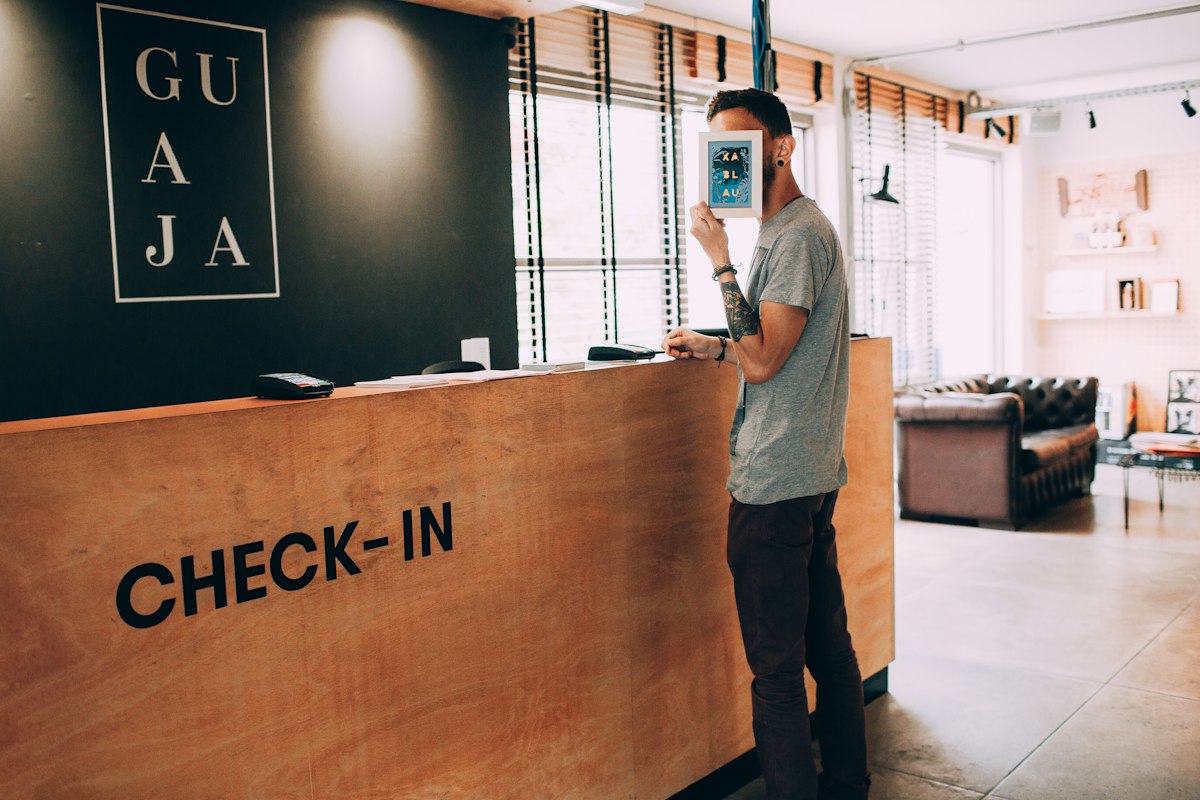
Photo by Helena Lopes on Unsplash
You check your booking report for last month. Eighty-three reservations. Brilliant. Then you see the breakdown: 67 came through Booking.com and Expedia. After their 15-18% commission, you've just handed over £3,200 that could have stayed in your bank account.
The frustration is real. You own the property, you deliver the experience, but the OTAs own the customer relationship — and charge you handsomely for it. Meanwhile, every "direct booking" article you read makes it sound simple: just build a website and guests will come.
They won't. Not without a proper strategy. But hotel direct bookings are achievable if you understand the economics, play to your strengths, and accept that you'll never eliminate OTAs entirely (nor should you want to).
Why Direct Bookings Actually Matter
The commission rate is the obvious reason. At 15-18%, Booking.com and Expedia take a significant chunk of your revenue. On a £150 room, that's £22.50-£27 straight off the top.
But the real cost is the lost relationship. When someone books through an OTA, you get their name and dates. The OTA gets their email, phone number, payment details, and future marketing opportunities. They'll send that guest offers for competitors down the road.
Direct bookings give you control. You own the data, the relationship, and the opportunity to turn a one-time guest into a regular.
That said, OTAs aren't evil. They provide visibility you can't easily replicate. The trick is finding the right balance — and for most independent properties, that means reducing OTA dependency, not eliminating it.
The Real Maths: When Direct Bookings Make Sense
Here's a question most hoteliers don't ask: what does it actually cost to acquire a direct booking?
Say you run Google Ads targeting "boutique hotel [your town]". You're bidding against OTAs with massive budgets. Cost per click in competitive markets: £2-5. Conversion rate (clicks to bookings): 2-5% if your website is good. That means you might spend £40-250 in ads to generate one booking.
On a £150 room, paying Booking.com £22.50 is cheaper than paying Google £150.
This is why small properties often conclude that OTAs are the better deal. And sometimes they are — especially if your alternative is expensive paid advertising.
But that's not the only way to drive hotel direct bookings.
Your Booking Engine: The Non-Negotiable Baseline
You can't capture direct bookings without a way for guests to actually book directly. Obvious, but you'd be surprised how many properties make this unnecessarily hard.
Your booking engine needs to be:
Fast. If it takes more than three seconds to load, you've lost 40% of potential bookers. They'll open a new tab and go to Booking.com instead.
Mobile-friendly. Over 60% of hotel searches happen on mobile. If your booking process requires pinch-zooming or horizontal scrolling, you're dead in the water.
Visible. The "Book Direct" button should be the most prominent thing on your homepage. Top right corner, high contrast colour, impossible to miss.
Don't overthink the technology. Platforms like Cloudbeds, Little Hotelier, or even Bookalet (for smaller properties) offer perfectly adequate booking engines for £30-100/month. The expensive enterprise systems add features you don't need.
Tip
Commission rates on direct bookings through channel managers are typically 2-4% — far better than OTA rates, and you still own the customer data.
Rate Parity: The Rules You Need to Know
Here's where it gets political. Most OTA contracts include rate parity clauses. You're not allowed to undercut the OTA price on your own website — at least not openly.
In the EU, "wide" parity (where you couldn't offer lower rates anywhere) was banned in 2015. "Narrow" parity (where you can't undercut the OTA on your own site) is still mostly legal, though it's being challenged in various markets.
What this means in practice: you can't advertise a lower rate on your website than you show on Booking.com. But you can offer:
- Flexible cancellation at the same price (when OTAs charge extra for flexibility)
- Free breakfast or other inclusions
- Room upgrades (subject to availability)
- Loyalty discounts for repeat guests (more on this shortly)
You're adding value, not dropping the price. Technically compliant, actually effective.
Some properties do quietly undercut OTA rates by 5-10% on their own sites and hope the OTAs don't notice. This works until it doesn't — and when they catch you, they can delist your property or bury you in search results. Your call whether that risk is worth it.
Google Business Profile: The Cheapest Direct Booking Channel
If you could only do one thing to increase direct bookings, it should be this: optimise your Google Business Profile properly.
When someone searches "hotels in [your area]", Google shows a map with local results before it shows organic listings. Your GBP listing appears there — with photos, reviews, and crucially, a "Book" button that can link directly to your website.
Most properties treat their GBP as a set-it-and-forget-it directory listing. That's leaving money on the table.
Photos matter enormously. Upload at least 20 high-quality images. Exterior, rooms, amenities, breakfast, local area. Update them seasonally. Properties with 100+ photos get 520% more calls and direction requests than those with fewer than 10.
Reviews are your currency. Google prioritises listings with more (and more recent) reviews. Ask guests to leave a Google review specifically — not just a TripAdvisor one. Make it easy: send a follow-up email with a direct link 2-3 days after checkout.
The "Book" button setup matters. Link it to your booking engine, not your homepage. Every extra click costs you conversions.
Your GBP listing is effectively free advertising. Use it properly.
Loyalty Programmes That Work for Small Properties
The big chains have complex points systems and tiered memberships. You don't need that. What you need is something simple that makes guests want to book directly next time.
Here's what works for properties under 30 rooms:
Email-only exclusive rates. Collect emails (with permission) from everyone who books, OTA or direct. Monthly newsletter with a "subscriber rate" that's 10% below your website's public price. Use a promo code at checkout. You're rewarding people for being on your list, not openly undercutting OTAs.
Free upgrade on second stay. Book directly twice, get a free room upgrade (subject to availability). Easy to deliver, high perceived value, costs you almost nothing if you're not full.
Birthday offers. Collect birth dates (optional field at booking). Send a "£20 off your birthday stay" offer 4-6 weeks before. Conversion rates on birthday offers are surprisingly high — people actively look for excuses to book a treat.
The key is keeping it simple. If your loyalty programme requires a spreadsheet to manage, it's too complicated.
Your Website Needs to Do Three Jobs
Most hotel websites are prettier than they are useful. They show lovely photos, maybe tell a bit of history, then bury the booking engine three clicks deep.
Your website's only job is to convert browsers into bookers. That requires three things:
1. Immediate reassurance. Guest reviews, awards, certifications — whatever proves you're legitimate and worth booking. Put this on the homepage, above the fold.
2. Clear availability and pricing. Don't make people click "Check Availability" to see if you even have rooms. Show live availability and starting prices prominently. Transparency builds trust.
3. Reasons to book direct. A small banner that says "Book direct and get free breakfast" or "Best rate guaranteed + flexible cancellation" — something that makes direct booking the obviously better choice.
If you want to get fancy, add guest photos from social media (with permission). Real guests in your real rooms are far more persuasive than professional shots.
Warning
Don't use stock photography. Guests recognise it instantly and assume you're hiding something. Poor-quality real photos beat perfect stock images every time.
Retargeting: The One Paid Ad Worth Considering
Most paid advertising for hotels is a money pit. You're bidding against massive OTA budgets for generic searches like "hotel in Bath". You won't win, and you'll haemorrhage cash trying.
But retargeting is different. This is where you show ads specifically to people who've already visited your website but didn't book. These people know who you are, they're interested, they just need a nudge.
Retargeting costs £0.20-1.00 per click (versus £3-5 for cold traffic) and converts at 3-5x the rate. You can set up a basic campaign through Google or Facebook for £100-200/month and actually see return on that spend.
The creative matters here. Don't just show your logo and a "Book Now" button. Remind them what they're missing: "Your weekend escape to [Property Name] is still available — book direct and save."
Content That Brings Guests to Your Site
Here's a longer-term strategy that costs time rather than money: create content that ranks in Google for searches guests are actually doing.
If you run a hotel in the Cotswolds, you could write blog posts like:
- "20 Best Walks in the Cotswolds (With Parking and Pub Stops)"
- "Where to Eat in [Your Town]: Local's Guide"
- "Cotswolds in Winter: What to Do When It's Freezing"
These rank for searches people do when they're planning trips. When they land on your site through that content, they discover you exist — and you've already positioned yourself as the local expert.
This takes months to pay off, but it's essentially free traffic once it's ranking. And unlike OTA visibility, you own it forever. Our hotel SEO guide covers exactly where to start.
Email Marketing: The Channel Everyone Ignores
You probably have 500-2,000 email addresses sitting in your booking system right now. Past guests, enquiries, newsletter signups. That's a direct line to people who already know you exist.
Most hotels send exactly one email: the booking confirmation. Maybe a pre-arrival email if they're organised. Then nothing.
That's mad. You should be sending:
Monthly newsletters (not sales emails — useful content about your area, what's happening locally, maybe a seasonal offer at the end).
Anniversary reminders ("It's been a year since your stay with us — fancy a return visit?").
Last-minute offers when you have unsold inventory (better to sell a room at £80 direct than leave it empty or dump it on Last Minute Hotels for £60 minus commission).
Email marketing platforms like Mailchimp cost £10-20/month for most hotel databases. Your return on that investment is embarrassingly high if you actually use it. For the full strategy, see our email marketing guide for hotels.
When to Stop Fighting OTAs
Here's the uncomfortable truth: some guests will only ever book through OTAs. They have loyalty points there, they trust the platform, they like the convenience of managing all their bookings in one app.
Trying to win these guests over is often wasted effort. Better to focus on the guests who are willing to book direct — which, for most properties, is about 30-40% of your potential market.
The goal isn't to eliminate OTA bookings. It's to shift the ratio from 80/20 OTA/direct to something closer to 60/40 or even 50/50.
Small independent properties will always need OTAs for visibility. They're a marketing channel, and sometimes a 15% commission is cheaper than the alternative. The trick is making sure you're not paying that commission unnecessarily on guests who would have booked direct anyway.
Where to Actually Focus Your Energy
If you take nothing else from this, focus on these three things:
1. Make direct booking obviously better. Free breakfast, flexible cancellation, room upgrade on second stay — give guests a reason to choose you over Booking.com.
2. Optimise your Google Business Profile. More photos, more reviews, direct booking link. This is free visibility that converts.
3. Build your email list and use it. Every guest is a potential repeat booking. Stay in touch.
Everything else — paid ads, loyalty programmes, content marketing — is nice to have if you've got bandwidth. But these three basics will shift your direct booking ratio more than anything else.
The OTAs aren't going anywhere. But with a bit of effort in the right places, they don't have to own your entire customer base either.
This blog is written by the team at Vidpops — we build a simple tool that helps hospitality businesses collect branded video testimonials from their guests. If you're interested, you can try it free here.
Related Articles

Hotel Group Bookings: How to Attract and Win Corporate and Event Business
Group bookings can transform your occupancy — but they require a completely different approach to leisure bookings. This guide covers how to position your property, price group rates, write proposals, and proactively find group business.

Hotel Loyalty Programs: How to Build One That Actually Brings Guests Back
You don't need a points system or an app to run a hotel loyalty program. Here's what actually makes guests come back — and how to build a simple repeat-booking system without enterprise software.

Hotel Metasearch: How to Use Google, TripAdvisor, and Trivago to Get More Bookings
Most independent hoteliers have heard of metasearch but don't understand how it works. Here's the honest truth about whether it's worth it for your property.